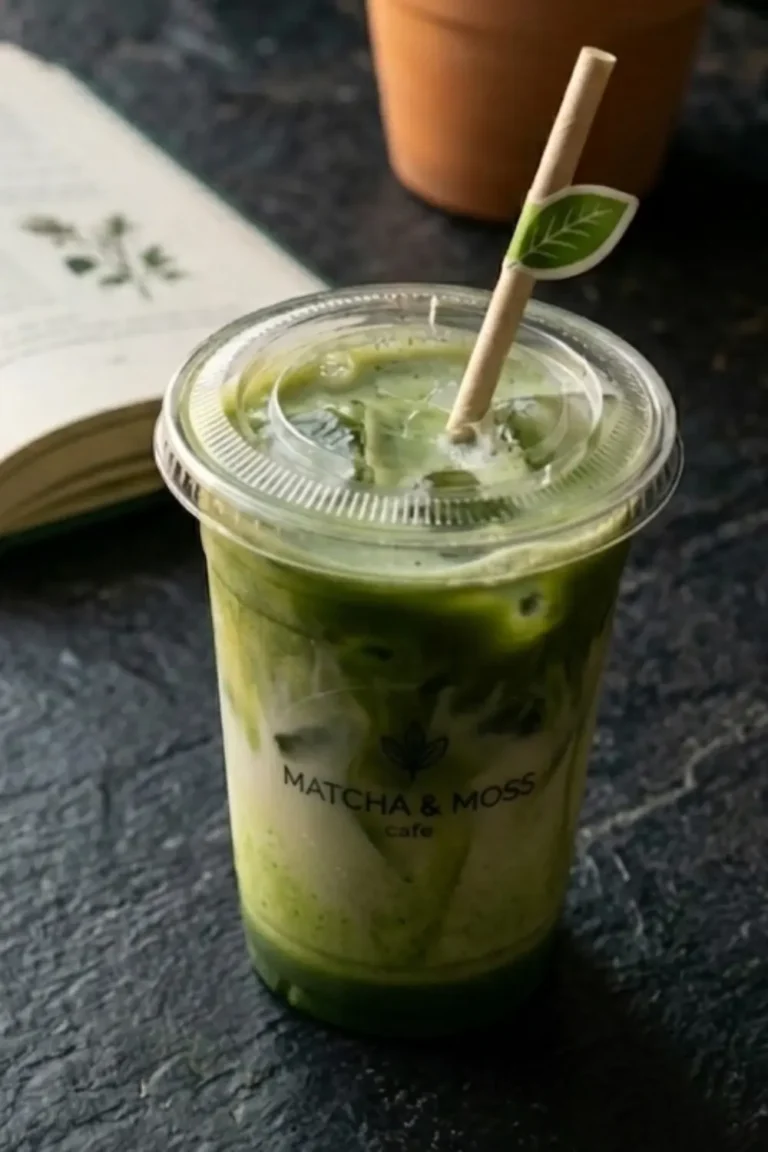
Simple Homemade Iced Coffee Recipe
There is something undeniably satisfying about walking into a high-end cafe, hearing the clink of ice against glass, and watching a barista layer rich, dark coffee with velvety milk. The aesthetic is crisp, clean, and refreshing—a perfect pick-me-up on a sweltering afternoon. But what if I told you that you don’t need to stand in a long line or spend five dollars every time you crave that experience? Mastering a Simple Homemade Iced Coffee Recipe is one of the most rewarding skills you can develop as a home barista. It is not just about pouring hot coffee over ice; it is about understanding the chemistry of extraction, the temperature of dilution, and the art of the perfect pour.

I remember my early attempts at making iced coffee at home. I would simply brew a pot of hot coffee, wait for it to cool, and pour it into a glass filled with ice. The result? A watery, bitter, and completely uninspiring beverage that lacked any of the punch I craved. It took me years of experimenting—and a few accidental kitchen disasters—to realize that the secret to a cafe-quality brew lies in a few precise steps. Whether you prefer a bold iced coffee recipe espresso base or a smooth, creamy iced coffee recipe, this guide will walk you through the professional techniques that elevate your morning routine from mundane to magnificent.
Why You’ll Love This Homemade Iced Coffee
When you move beyond the “hot-coffee-in-the-fridge” method, you open the door to a world of flavor. Here is why perfecting this recipe is worth the effort:
- Complete Customization: You are the master of your own cup. You control the sweetness, the type of milk, and the intensity of the coffee. Want a vanilla iced coffee recipe with a hint of cinnamon? You can make it. Want it sugar-free? Done.
- Cost Efficiency: While the upfront cost of beans might seem high, the cost per cup of your homemade brew is a fraction of what you would pay at a commercial chain.
- Cafe-Style Aesthetic: There is a certain pride in crafting a drink that looks and tastes like it came from a professional shop. Layering your milk and coffee creates that mesmerizing gradient that is perfect for your morning photos.
- Perfect for Any Season: While we crave it most in the summer, iced coffee is a year-round indulgence for those who prefer the smooth, less acidic profile of a cold beverage.
- Rapid Preparation: Once you have your coffee base ready, assembling an iced coffee takes less than a minute. It is the ultimate solution for busy mornings.

The Science of the “Cafe-Style” Aesthetic
The visual appeal of an iced coffee—the distinct separation between the dark coffee and the creamy, swirling milk—is often called the “gradient effect.” Achieving this isn’t magic; it is physics. To get those beautiful layers, you need a high-density liquid (the coffee/syrup) and a lower-density liquid (the milk).
When you pour the coffee over the ice and then slowly stream the milk down the side of the glass, the liquids don’t instantly mix. This provides that stunning cafe aesthetic. To maintain this, avoid using hot coffee that has just come off the burner. If your coffee is too hot, it will melt the ice instantly, dilute the flavor, and cause the milk to curdle or mix too quickly, ruining the visual layers. Cooling your coffee base before pouring it over ice is the hallmark of a professional.
What is the Secret to Making Good Iced Coffee?
If you have ever asked, what is the secret to making good iced coffee, the answer is twofold: preventing dilution and choosing the right brewing strength. The most common mistake is brewing “regular” strength coffee and pouring it over ice. The moment the ice touches the liquid, it begins to melt, and your coffee becomes thin and weak.
The “Pro” trick is to brew your coffee at double the usual strength. If your ratio is normally 1:16 (one part coffee to sixteen parts water), try a 1:8 ratio for iced coffee. This “concentrated” base is designed to be diluted by the melting ice, resulting in the perfect flavor intensity once the drink is ready. Alternatively, cold-brewing your coffee—a method where coarse grounds are steeped in cold water for 12 to 24 hours—eliminates the bitterness of high-heat extraction, resulting in a naturally sweeter, smoother cup that is much easier on the stomach.

Exploring Different Brewing Methods
There is no “one right way” to brew for iced coffee. Your choice depends on your equipment and your flavor preference.
The Espresso Method
If you have an espresso machine, the iced coffee recipe espresso method is the quickest way to get a rich, intense base. Two shots of freshly pulled espresso over a full glass of ice provide that punchy, bold flavor that Starbucks fans love. If you are aiming for a Starbucks style iced coffee recipe, this is the foundation you need.
The Cold Brew Method
This is the gold standard for smoothness. Because heat is never involved, the chemical compounds that cause acidity and bitterness are never extracted. The result is a velvety, rich liquid that can stay in your fridge for up to two weeks, ready to be poured at a moment’s notice.
The Flash-Chill Method
This is a hybrid technique for when you don’t have time to wait 24 hours. You brew your hot coffee directly onto a pre-measured amount of ice. The sudden temperature drop “locks in” the aromatics of the coffee, preventing the oxidation that occurs during slow cooling.

What Are the Ingredients in Iced Coffee?
At its most basic, the ingredients in iced coffee are simple: coffee, ice, and optional milk or sweeteners. However, the quality of these components makes or break the final product.
- Water: Coffee is 98% water. If your tap water tastes like chlorine or minerals, your coffee will taste the same. Use filtered water to ensure the true notes of the bean shine through.
- Beans: For iced coffee, look for medium-to-dark roasts. These have the natural oils and “roasty” characteristics that stand up well to milk and ice.
- Sweeteners: Simple syrup is the secret to a flavored iced coffee recipe. Granulated sugar will not dissolve in cold liquid, leaving a gritty mess at the bottom of your glass. Simple syrup (equal parts sugar and water heated until dissolved) blends seamlessly into your drink.
- Milk and Cream: For that cafe-style creaminess, a mixture of milk and half-and-half works wonders. If you are dairy-free, oat milk is the superior choice for iced coffee because its texture closely mimics the richness of dairy.
The Diabetic Perspective: Can Diabetics Drink Cold Brew?
A common question is: can diabetics drink cold brew coffee? The answer is generally yes, but with caveats. Coffee itself is calorie-free and can even improve insulin sensitivity in some individuals. However, the commercial “iced coffee” market is rife with hidden sugars in the form of flavored syrups and sweetened creamers. When making your own at home, you have complete control. Using unsweetened almond or soy milk and sugar-free vanilla extract allows you to enjoy the ritual of a fancy iced coffee without the glycemic impact. Always consult with your healthcare provider, but for many, a black cold brew or an iced coffee made with unsweetened plant-based milk is a perfectly safe daily treat.

Troubleshooting Your Home Brew
Even the best-laid plans can go wrong. If your home brew isn’t hitting the mark, check these common issues:
- Sour or Acidic Taste: This usually means your coffee was under-extracted. Try a finer grind setting or brew for a longer duration.
- Bitter or Burnt Taste: This means you over-extracted the coffee. Use a coarser grind, lower the water temperature (if brewing hot), or reduce your steep time.
- Muddy Texture: If you are using a French press or a method without a paper filter, you might get fine sediment in your cup. Try running your cold brew through a secondary paper filter or a fine-mesh sieve.
- Weak Flavor: You likely used too much ice and not enough coffee concentrate. Remember that ice is part of the recipe—account for the dilution from the start.
Elevating Your Iced Coffee: The Flavor Factor
If you want to experiment, look beyond basic vanilla. Flavored iced coffee recipes are limited only by your imagination. Try adding a dash of cardamom to your grounds before brewing for a Middle Eastern flair, or use a splash of coconut extract for a tropical twist. For a vanilla iced coffee recipe that rivals the big chains, use a high-quality vanilla bean paste rather than extract. The tiny specks of vanilla bean look beautiful in the drink and provide a much more rounded, luxurious flavor.

Conclusion: Mastering the Ritual
Developing your own signature Iced Coffee Recipe is about more than just caffeine; it is about the ritual. There is a sense of accomplishment in prepping your cold brew the night before, or precisely timing your espresso pour to ensure the perfect gradient in your glass. By understanding the importance of concentrate strength, water quality, and the physics of layering, you can create a drink that is consistently better than anything you can buy on the go.
Don’t be afraid to experiment. Keep a notebook of your ratios—try a 1:8 brew one day, a 1:10 the next. Take note of how different bean roasts change the character of the ice-diluted drink. Eventually, you will find that “Golden Ratio” that makes your mornings feel special. Once you master the simple, beautiful art of home-brewed iced coffee, you might find that you never need to wait in a cafe line ever again. You have the tools, the knowledge, and the ingredients—now go craft your perfect cup.

Homemade Iced Coffee
Ingredients
Equipment
Method
- Brew Strong: Prepare your coffee at double the normal strength. If using espresso, pull 2 shots.
- Cool Slightly: If brewing hot, let the coffee sit for 5 minutes. Do not pour boiling liquid directly onto your ice.
- Sweeten: Stir in your simple syrup while the coffee is still warm so it dissolves perfectly.
- Prepare the Glass: Fill a tall glass to the brim with fresh ice.
- Combine: Pour the coffee concentrate over the ice.
- Layer: Slowly pour your milk or cream down the inside edge of the glass to create the gradient effect.
- Serve: Add a straw, stir gently before drinking, and enjoy!
Notes
- Simple Syrup Hack: Mix equal parts sugar and hot water in a small jar. Shake until clear. Store in the fridge for up to 2 weeks.
- The “Iced” Secret: Always use fresh ice. Old ice from the freezer can absorb freezer smells, which will ruin the delicate aromatics of your coffee.
FAQS
How do you make an iced coffee at home? Brew coffee double-strength, sweeten while warm, pour over a full glass of fresh ice, and add milk.
What is the secret to making good iced coffee? Using double-strength coffee to account for ice dilution and cooling the coffee slightly before pouring.
What are the ingredients in iced coffee? Coffee concentrate, fresh ice, optional sweeteners (simple syrup), and milk/cream.
Can diabetics drink cold brew coffee? Yes, black cold brew is calorie-free. Use sugar-free syrups and unsweetened nut milks to keep the glycemic impact low.