Easy Classic Beef Lasagna homemade Recipe
There’s not a meal as cosy, comforting and homey as bubbling, golden-brown pan of Beef Lasagna. It’s a respectful dish, a balanced assemblage of al dente pasta, meat sauce, creamy ricotta or bechamel and crown of perfect melted and crusty cheese. From a cold Sunday evening to a joyous holiday with friends and family, the beef lasagna recipe is always a standout feature to bring everyone to the table.
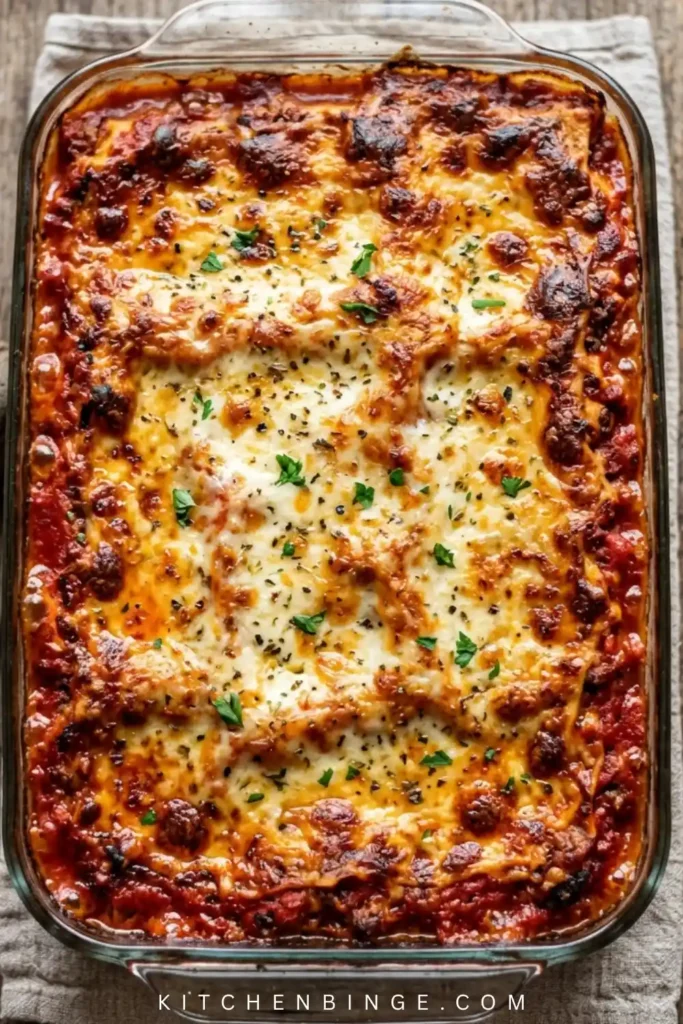
Many people don’t know how to make lasagna from scratch. It’s all a bit too much to handle, the layers, the sauce, the simmering time. The trick with the best beef lasagna recipe, however, is not necessarily that it’s prepared by a professional chef, but that it’s prepared correctly with the right balance of flavors and enough patience to put it together. When you learn how you can do this you will know that it is not only a dinner but an act of love. In this lasagna guide, we will discuss the key ingredients so that your lasagna is never soggy, never bland, and always, always delicious!
Why You’ll Love This Beef Lasagna
This Beef Lasagna really is an outstanding creation. Lasagna is not only a pasta dish, but a labor of love that will reward you with flavors that are worth it. A homemade beef lasagna recipe from scratch puts your dinner on par with a restaurant. This recipe is a must-try for a number of reasons:
- The Flavor Intensity: The ragu is a meat sauce that simmers for 1 hour, and you will find that the flavor that the tomatoes, onions, garlic and herbs have is quite deep and complex; you could not get that from a jarred sauce.
- The trick to making a lasagna that is “perfect” – that is, remains a lasagna rather than a soup – is a pro’s skill. We’re going to reveal how that structure works.
- It’s a fact: Meal Prep Heaven: Lasagna tastes better the next day. The flavors continue to mingle, and it reheats perfectly. Perfect for a hectic week and a great meal prep.
- Versatility: Obviously I have made my beef version, but once you have the basic recipe you can make variations. Add mushrooms, spinach or even a variety of meat to suit tastes.
- The “Human-Click” Comfort Factor: It’s hard to find anything cuter or tastier than a freshly baked lasagna. It’s a dish that evokes a sense of smell, taste, and sight: the aroma of baked parmesan, the golden crust of cheese, and the tender, savory pasta.
Understanding the Components of a Great Lasagna
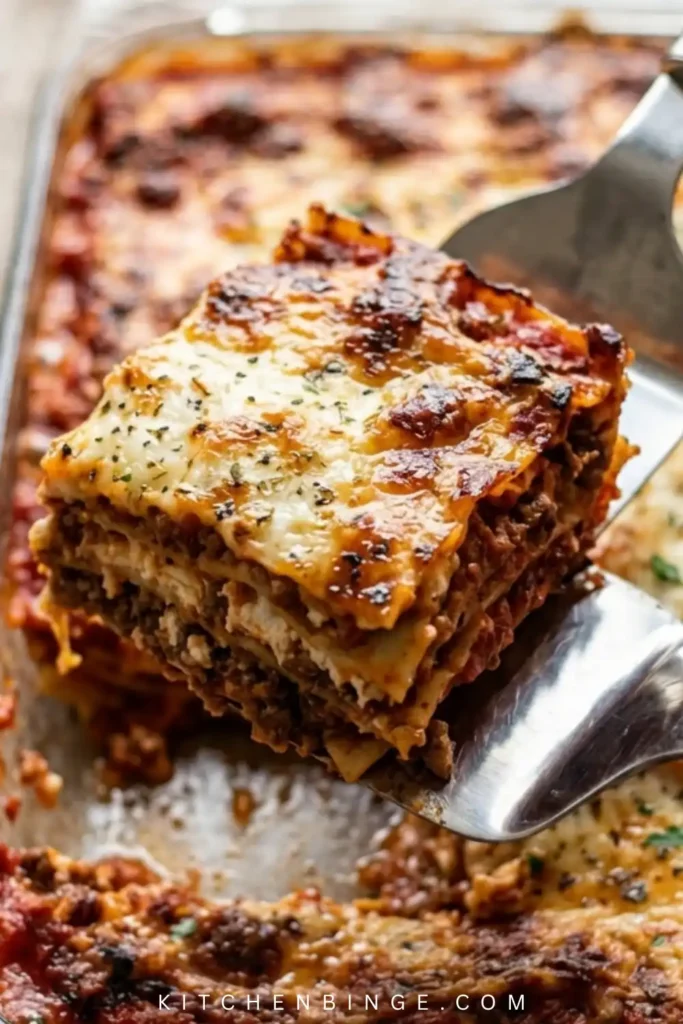
To build a legendary lasagna, you have to treat it like a building. Each layer must serve a purpose.
The Meat Sauce (The Ragu)
The backbone of any beef lasagna is the sauce. The best meat to put in lasagna is generally a mix of ground beef and a little bit of Italian sausage. The beef provides the structure, while the sausage adds the fat and the seasoning notes of fennel and garlic. Don’t rush this part! A quick sauce won’t have the depth of a slow-simmered one. You want the tomatoes to break down and the meat to absorb all those aromatic juices.
The Pasta
Whether you use the “no-boil” noodles or the classic boiled ones, the key is the texture. If you are using classic pasta, boil it until it is just barely al dente. It will finish cooking in the oven in the liquid of the sauce. If you overcook it at the boiling stage, you will end up with mushy pasta once it is baked.
The Cheese Layer
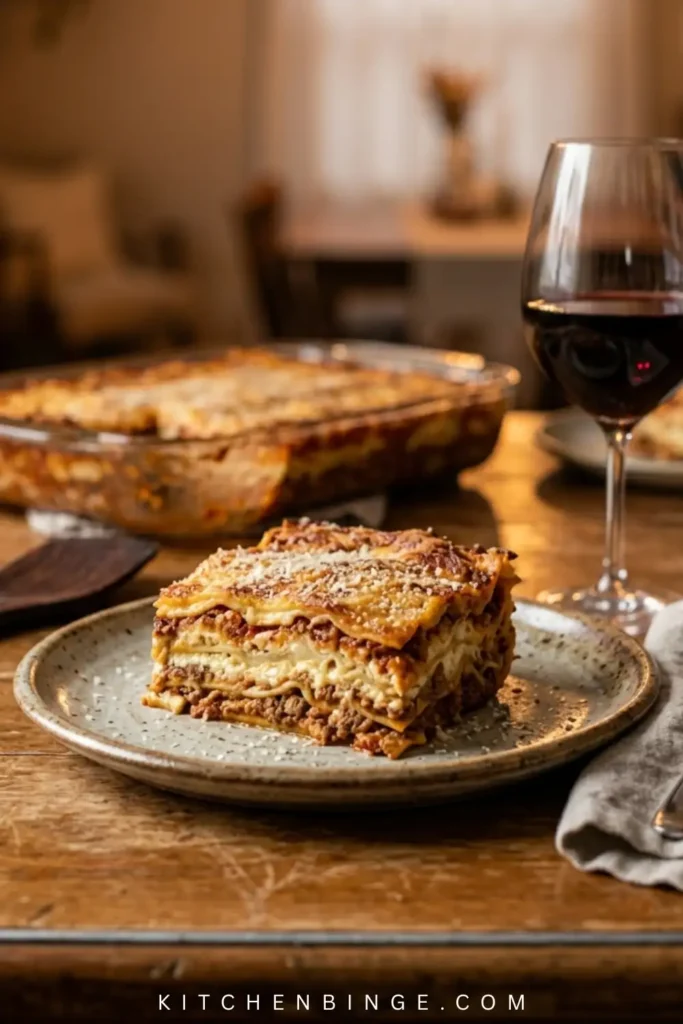
In a traditional Italian lasagna, a bechamel sauce is often used, but in many modern and Americanized versions, a ricotta-egg mixture is the gold standard. The egg acts as a binder, ensuring that the cheese layer stays in place when you cut the lasagna. Adding fresh parsley and a touch of nutmeg to your ricotta mixture can take the flavor profile from “simple” to “gourmet.”
Troubleshooting the “Soggy Lasagna” Myth
If your biggest fear is ending up with a watery pan, there are two primary culprits: too much liquid in the sauce and undercooked pasta. When making your meat sauce, ensure you reduce it until it is thick. You don’t want a runny, watery sauce; you want a hearty ragu. Second, make sure your ricotta mixture is drained if it looks too wet. If you follow these two steps, your lasagna will be sliceable and firm, exactly the way a good homemade beef lasagna should be.
How to Make a Simple Beef Lasagna
Making a simple beef lasagna doesn’t mean cutting corners; it means focusing on the right steps. Start by browning your meat with onions and garlic until deeply caramelized. Once you add your tomatoes, let it simmer low and slow. While that happens, mix your ricotta, an egg, and some parmesan. Once the sauce is thick, it is time to layer. Start with a thin layer of sauce on the very bottom of the pan to prevent the pasta from sticking, then layer pasta, cheese, and meat sauce. Repeat until you hit the top of the pan, and finish with a heavy hand of mozzarella and parmesan.
The Diabetic Perspective
You might wonder, can you eat lasagna if you have diabetes? Traditional lasagna is high in refined carbohydrates. However, you can absolutely enjoy this dish by making a few smart modifications. Consider using high-fiber, whole-wheat or legume-based lasagna noodles to lower the glycemic impact. Additionally, load up on the meat and vegetable content while keeping the pasta layer thin. Pairing a smaller portion of lasagna with a massive, vinegar-dressed garden salad is a great way to enjoy this classic comfort food without causing a significant spike in blood sugar.
The Best Meat to Put in Lasagna
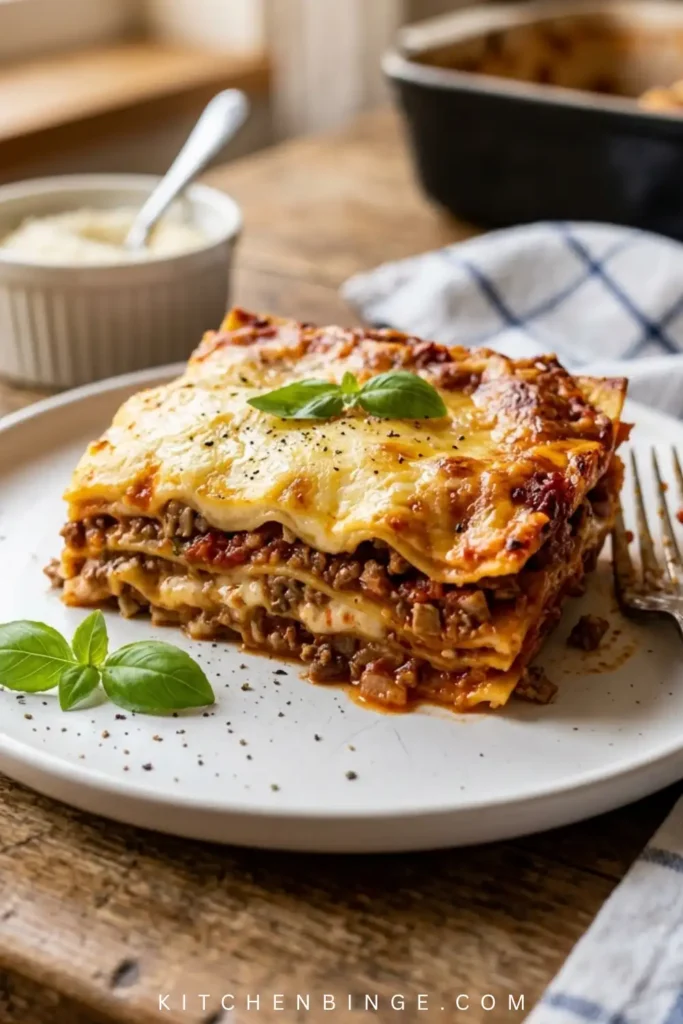
While beef is the traditional star, the best meat to put in lasagna often involves a blend. A 70/30 ratio of ground beef to mild Italian sausage is my favorite. The beef provides the meaty, robust foundation, while the sausage provides the “seasoning” without you having to add a dozen different spices. If you want to get truly authentic, some regions of Italy use a small amount of finely minced pancetta, which adds a smoky, salty depth that is absolutely transformative.
Serving and Storing
The most important step in making lasagna is the rest. Once you take that pan out of the oven, it will look perfect, but if you cut into it immediately, it will collapse. Give the lasagna at least 15 to 20 minutes to rest before you slice into it. This allows the internal layers to set and the cheese to firm up.
For leftovers, wrap the remaining lasagna tightly in foil. It keeps in the fridge for up to 4 days, or you can freeze it for up to 3 months. To reheat, cover with foil and bake at 350°F until the center is steaming hot.

Homemade Beef Lasagna
Ingredients
Equipment
Method
- Sauce: Brown beef and sausage with onion/garlic. Add tomato paste and tomatoes. Simmer for 30-40 mins.
- Cheese: Mix ricotta, egg, parmesan, and parsley in a bowl.
- Layer: Sauce on bottom of dish -> noodles -> ricotta mix -> mozzarella -> sauce. Repeat 3 times.
- Top: Finish with a final layer of mozzarella and parmesan.
- Bake: Cover with foil and bake at 375°F for 30 mins. Remove foil and bake for another 15-20 mins until bubbling and golden.
- Rest: Cool for 20 minutes before serving.
FAQS
How to make a simple Beef Lasagna? Brown the meat, simmer the sauce, layer with ricotta/noodles/mozzarella, and bake until golden.
Can you eat lasagna if you have diabetes? Yes, in moderation; use whole-wheat noodles and pair with a large side salad to balance the glycemic impact.
What is beef lasagne made of? Noodles, a rich meat ragu, a creamy cheese layer (ricotta/parmesan), and melted mozzarella.
What is the best meat to put in lasagna? A mix of lean ground beef and Italian sausage for depth of flavor.