Healthy Easy & Juicy Baked Salmon Recipe
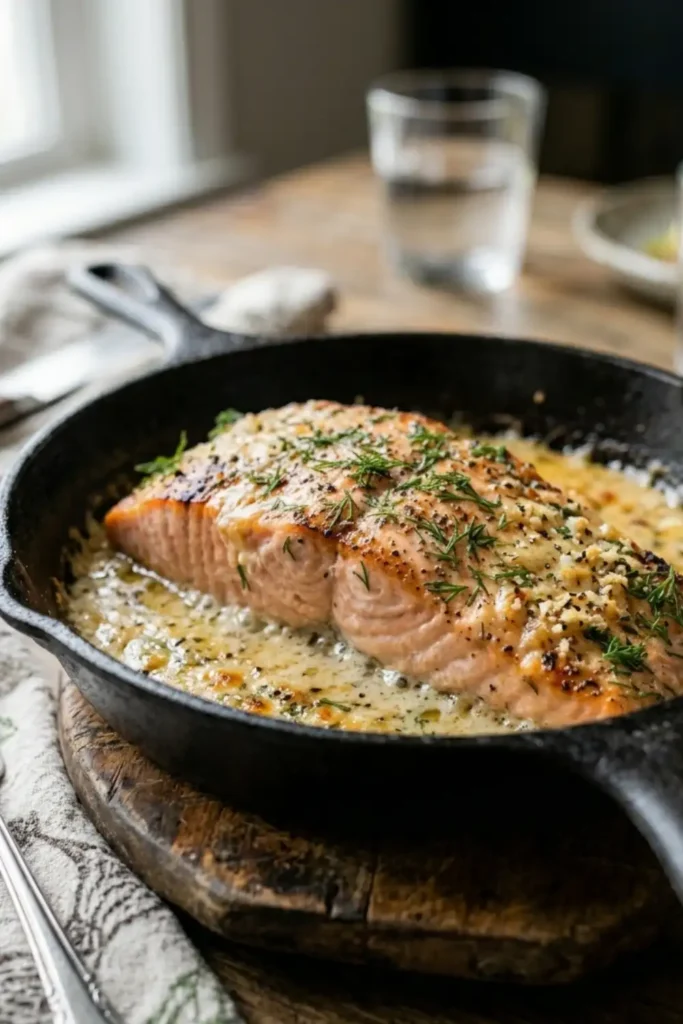
Salmon is arguably the crown jewel of the seafood world. It is not just incredibly delicious, but it is also one of the most nutrient-dense foods you can put on your plate. When you master a truly juicy baked salmon recipe, you transform a healthy weeknight staple into a five-star dining experience. Whether you are looking for a baked salmon recipe Asian style with ginger and soy, or a rich, creamy baked salmon recipe that feels like an indulgence, the fundamentals of the cooking process remain the same. The goal is always the same: a delicate, flaky texture that practically melts in your mouth, paired with a seasoning that elevates the natural richness of the fish.
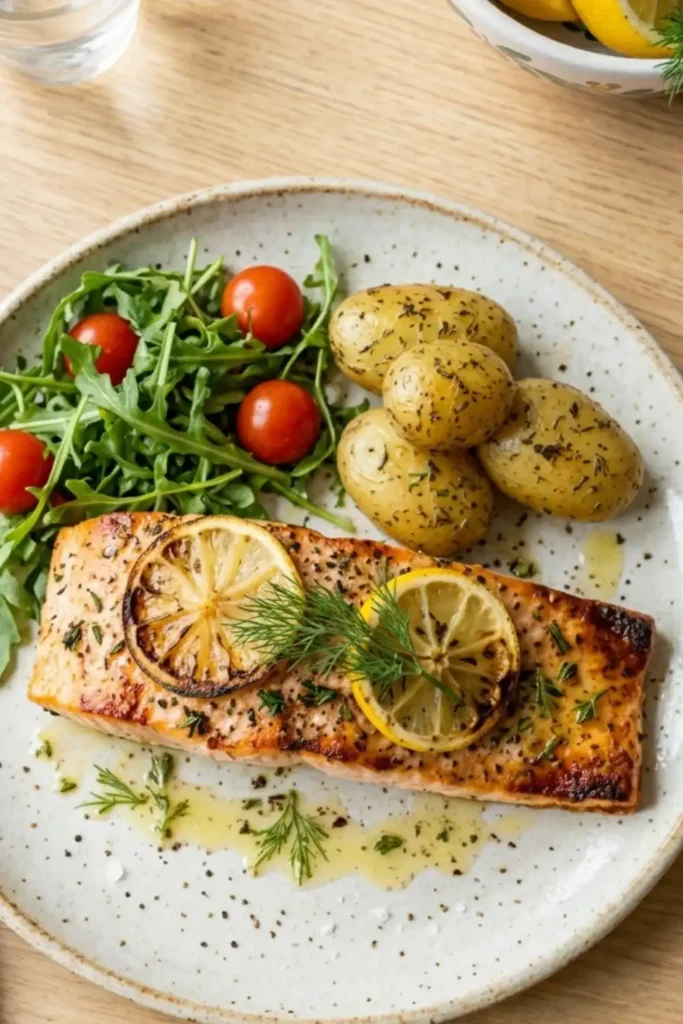
Many home cooks are intimidated by the prospect of baking salmon. They fear the dreaded “dry fish” syndrome, where the fillet loses its moisture and becomes tough or rubbery. I have been there, watching a perfectly good piece of high-quality salmon turn into something resembling a leather boot. But over years of testing, from the techniques recommended by chefs like Jamie Oliver to simple home-style methods, I have learned that salmon is actually one of the most forgiving proteins—provided you understand a few key principles about heat and timing. This guide will walk you through everything you need to know to make the best baked salmon recipe in the world right in your own oven.
Why You’ll Love This Baked Salmon Recipe
There is a reason why salmon is a recurring star on dinner tables across the globe. It is the perfect marriage of health benefits and culinary pleasure. Here is why this particular approach to baking it is going to change your kitchen routine:
- Nutritional Powerhouse: Salmon is packed with Omega-3 fatty acids, high-quality protein, and essential vitamins like B12 and D. It is a true “brain food” that supports heart and cognitive health.
- Speed and Convenience: Even the most easy baked salmon recipes can be completed in under 20 minutes from prep to plate. It is the ultimate solution for those hectic weeknights when you want a home-cooked meal without the stress of standing over a hot stove.
- Versatility: Once you master the base technique, you can pivot in any direction. Want an interesting baked salmon recipe? Try a maple-mustard glaze, a pesto crust, or even a spicy chili-lime rub. The fish adapts perfectly to any flavor profile.
- Predictable Results: Unlike pan-searing, which requires constant hovering and flipping, baking salmon in the oven allows for consistent, even heat distribution. You get a perfect result every single time without the worry of burning the skin.
- Crowd-Pleasing Appeal: Even people who claim they don’t like fish are often won over by a perfectly baked salmon fillet. Its mild flavor and buttery texture are universally appealing, making it a safe and delicious bet for family dinners or entertaining guests.
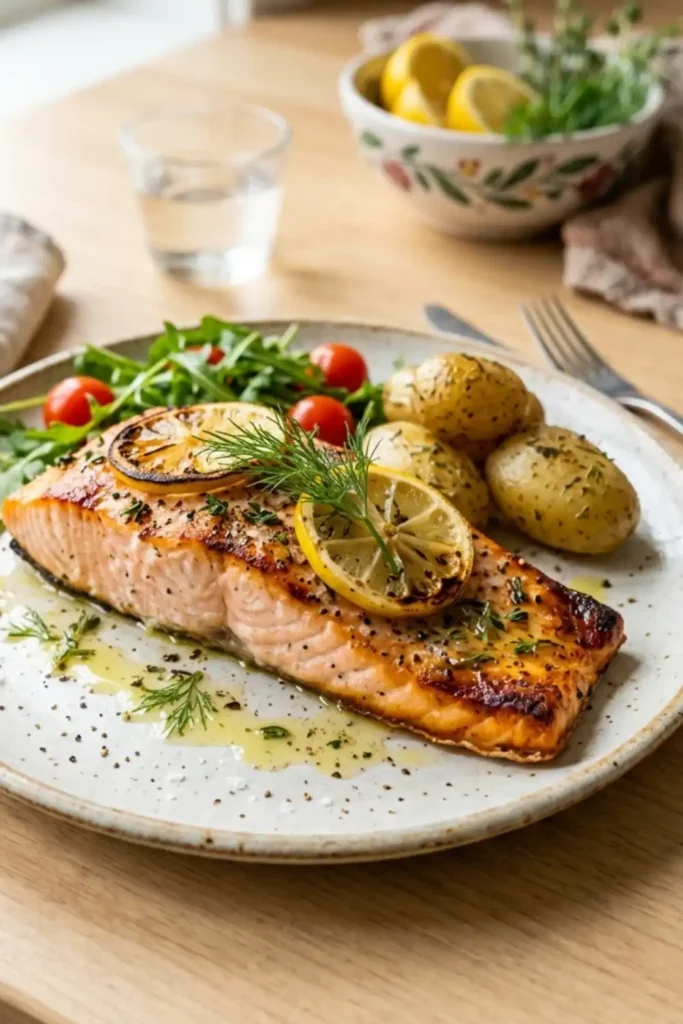
The Secret to That Perfect “Juicy” Texture
If you have ever wondered why your salmon turns out dry, the culprit is almost always overcooking. Salmon is a fatty fish, which is its greatest asset, but it also means that once the internal fat renders out, the texture changes rapidly. To achieve that juicy baked salmon recipe standard, you need to be precise about your oven temperature and your target internal temperature.
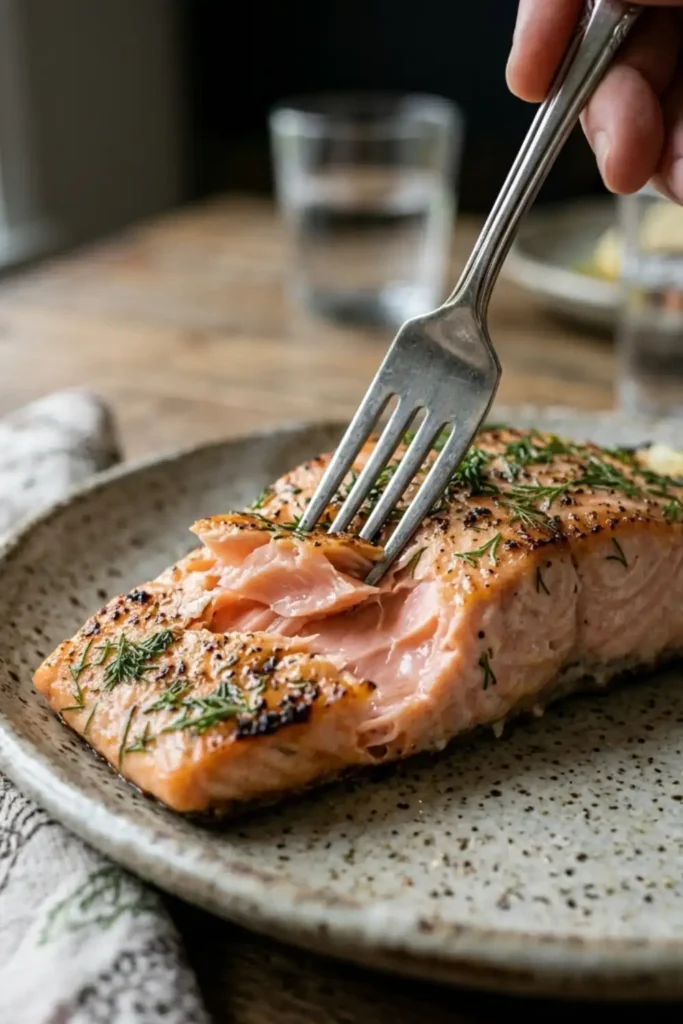
The “pro” way to bake salmon is to aim for an internal temperature of 125°F to 130°F (52°C to 54°C). Many people pull the fish out when it looks “done” to the eye, but by that time, the internal temperature has often climbed into the 140s, which is where dryness begins. Use an instant-read meat thermometer—it is the single best investment you can make for your kitchen. When the thermometer hits 125°F, pull it out, let it rest for five minutes, and you will have salmon that is moist, tender, and perfectly cooked through.
Should Salmon Be Baked at 350 or 400 Degrees?
This is the most common debate among home cooks. Should salmon be baked at 350 or 400 degrees? The answer depends on your desired outcome. Baking at 350°F (175°C) is a gentler, slower method that is very forgiving. If you are doing a creamy baked salmon recipe or a cheesy bake, the lower heat helps the sauce set without breaking the fat in the cheese or causing the dairy to curdle.
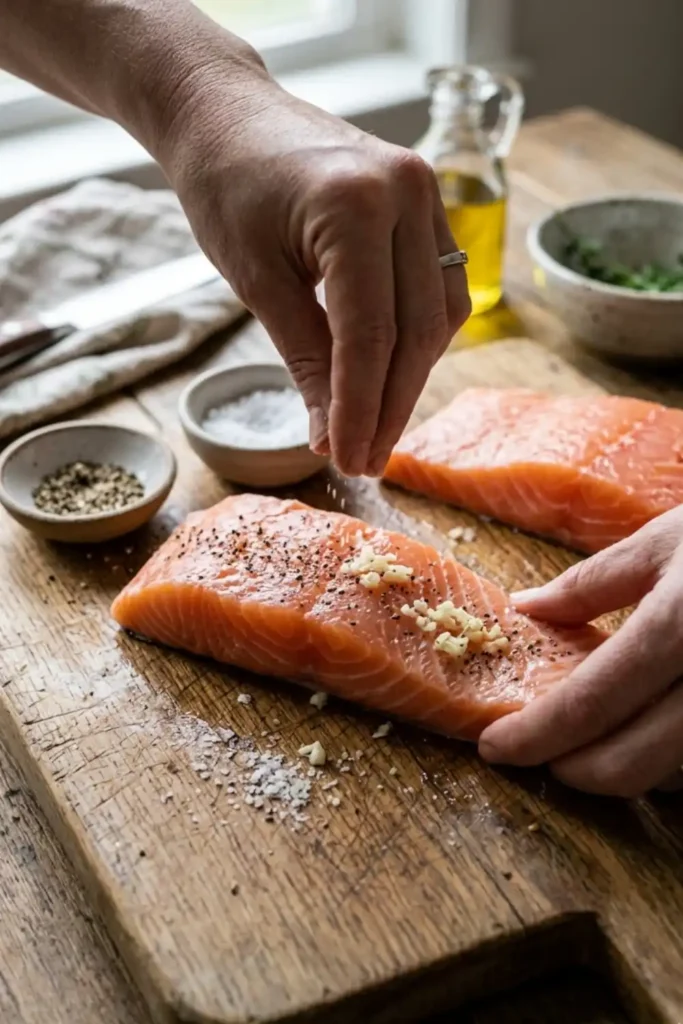
However, baking at 400°F (200°C) is generally superior for most fillets. The higher temperature allows for a faster cook time, which keeps the interior incredibly succulent while allowing the exterior to develop a nice, slightly browned texture. If you are using a glaze, 400°F also helps the sugars in the glaze caramelize, creating that delicious “sticky” exterior that makes for such a best baked salmon recipe in the world. The rapid blast of heat locks in the moisture before it has a chance to evaporate, ensuring the fish stays juicy.
Managing Dietary Needs: Gastritis and Diabetes
Salmon is an exceptional choice for people with specific dietary requirements. For those asking how to cook salmon for a diabetic, the answer is simple: focus on healthy fats and avoid sugary glazes. Salmon is low-glycemic, and the high protein and fat content help stabilize blood sugar levels throughout the meal. Skip the heavy brown sugar or maple syrups and opt for garlic, herbs, lemon, and olive oil.
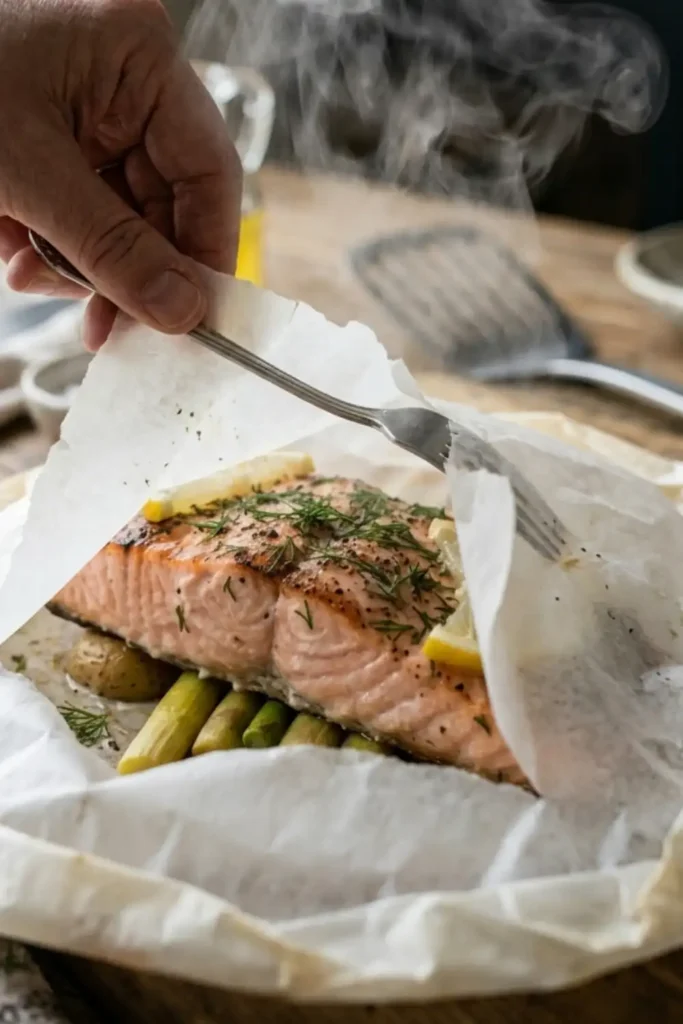
For those wondering how to bake salmon for gastritis, the goal is to reduce acidity and irritants. Avoid heavy spices like chili powder, garlic powder, or excessive lemon juice, which can trigger symptoms. Instead, focus on gentle aromatics like fresh dill, parsley, and a very light touch of olive oil. Baking it in parchment paper—a technique called en papillote—is the absolute best method for those with a sensitive stomach, as it steams the fish in its own juices without the need for added fats or aggressive seasonings that could irritate the digestive tract.
Exploring Flavors: From Asian Glazes to Cheesy Toppings
The beauty of salmon is that it is a blank canvas. An Asian baked salmon recipe using soy sauce, mirin, fresh ginger, and a touch of sesame oil creates a savory, umami-forward dish that pairs perfectly with steamed bok choy or jasmine rice. The soy adds salt, the mirin adds a subtle sweetness, and the ginger provides a refreshing kick that cuts through the fat.
On the other end of the spectrum, a cheesy baked salmon recipe might sound unusual at first, but when done right, it is heavenly. Think of a light layer of parmesan or a goat cheese spread mixed with fresh herbs. The cheese acts as a barrier, sealing in the moisture of the fish while adding a savory crust. If you are looking for interesting baked salmon recipes, consider a crust made of crushed nuts—like pistachios or pecans—mixed with breadcrumbs and lemon zest. The crunch of the nuts against the soft flake of the salmon creates an incredible sensory experience that adds texture to an otherwise soft dish.
The Art of the Sauce and Flavor Enhancements
While a perfectly baked fillet stands on its own, baked salmon recipes with sauce take the dish to the next level. A simple lemon-dill butter sauce, a creamy avocado crema, or even a spicy sriracha-mayo drizzle can transform a simple dinner into a restaurant-quality meal. When baking, I often add a sauce after the fish is out of the oven. This ensures the sauce stays fresh and vibrant rather than getting “cooked out” or separated in the oven. For instance, a classic lemon-dill butter poured over the top right before serving makes the fish glisten and adds a burst of flavor in every bite.
Troubleshooting Your Baked Salmon
If your fish is falling apart, it might be due to over-handling. Salmon is delicate, especially when it is hot. Use a wide spatula to transfer it from the baking sheet to the plate. If you are using skin-on salmon, place it skin-side down on the baking sheet. The skin acts as a heat-shield and prevents the flesh from drying out against the hot metal. You can easily lift the cooked salmon away from the skin once it is on your plate. If the fillets are stuck, it is usually because the baking sheet was not prepped properly; always use high-quality parchment paper to ensure easy removal.
Portion Control and Healthy Living
Salmon is calorie-dense because of its healthy fats, which is a good thing! It makes it incredibly satiating. A 4-ounce portion is generally sufficient for a main meal when paired with roasted vegetables or a quinoa salad. Because the fats in salmon provide such a deep sense of satisfaction, you don’t need a huge portion to feel full. This is exactly why it is such a cornerstone of healthy meal plans—it satisfies the appetite naturally without the need for empty calories from refined carbs. It is a meal that leaves you feeling energized rather than sluggish.
Why Quality Matters: Choosing Your Salmon
When hunting for the best baked salmon recipe in the world, the quality of your fish is just as important as your technique. When possible, opt for wild-caught salmon over farm-raised. Wild-caught salmon generally has a firmer texture, a deeper color, and a more complex flavor profile due to the fish’s natural diet. However, if you are buying farm-raised, look for “responsibly sourced” labels to ensure the fish was raised in conditions that minimize environmental impact. The fresher the fish, the better the end result—always look for firm flesh that springs back when touched and has a clean, oceanic smell.
Essential Oven Techniques for Beginners
If you are a beginner, do not be afraid of the oven. The key is in the preparation. Before you even season the fish, make sure to pat it dry with a paper towel. Moisture on the outside of the fish creates steam, which is the enemy of a nice finish. By ensuring the fillet is dry, you allow your oils and seasonings to adhere directly to the surface. Additionally, bring your salmon to room temperature for about 10-15 minutes before baking. Cold fish hitting a hot oven can cook unevenly; bringing it to room temp ensures the heat penetrates the center and the outside at the same time, preventing the “raw middle, dry edges” problem.
Conclusion: Elevating Your Weekly Routine
The Baked Salmon Recipe you choose should reflect your mood and your pantry. Whether it is a quick, five-ingredient weeknight meal or a complex, crust-topped creation for a dinner party, the key is to honor the ingredient. Treat the salmon with care, monitor your temperatures, and don’t be afraid to experiment with new aromatics. Once you move past the fear of overcooking, you will find that you have a near-infinite variety of meals at your fingertips. Healthy eating doesn’t have to be boring, and this baked salmon method proves that the most nourishing foods are often the most delicious ones as well. So, preheat your oven, grab a fresh fillet, and prepare to elevate your home cooking to a whole new level. You are not just cooking dinner; you are crafting a meal that nourishes both the body and the soul.

Perfect Baked Salmon
Ingredients
Equipment
Method
- Preheat: Preheat your oven to 400°F (200°C).
- Prep: Line your baking sheet with parchment paper. Place fillets skin-side down.
- Season: Rub the fillets with olive oil, then top with minced garlic, salt, pepper, and fresh herbs. Add lemon slices on top of each fillet.
- Bake: Bake for 12-15 minutes, or until the internal temperature reaches 125°F-130°F.
- Rest: Remove from the oven and let rest for 5 minutes before serving to allow the juices to redistribute.
Notes
- Skin-On Benefit: The skin acts as a buffer between the fish and the pan, keeping it extra juicy. You can easily peel it away after cooking.
- Asian Variation: Swap the garlic/herbs for a mix of 1 tbsp soy sauce, 1 tsp ginger paste, and 1 tsp sesame oil.
FAQS
Should salmon be baked at 350 or 400 degrees? 400°F (200°C) is ideal for a crispy exterior and juicy interior, while 350°F is best for slow-cooking with heavy sauces.
How to bake salmon for gastritis? Bake en papillote (wrapped in parchment) with gentle herbs like dill and parsley, avoiding acidic lemon or spicy seasonings.
How to cook salmon for a diabetic? Avoid sugar-based glazes. Use olive oil, garlic, and fresh herbs to keep it low-glycemic and heart-healthy.
How long do you bake salmon in the oven? Usually 12-15 minutes at 400°F. Always use a thermometer to check for 125°F-130°F internal temp.